
The Allure of Casino Games
Casino games have long fascinated players, drawing them into a world filled with excitement and anticipation. This allure is primarily rooted in the psychological mechanisms at play, which exploit human emotions and cognitive biases. From the bright lights and sounds that stimulate sensory responses to the thrill of potentially winning large sums of money, every aspect of a casino is designed to create an exhilarating experience. Players can find useful insights on the psychological effects of gambling here and understand what keeps them engaged.
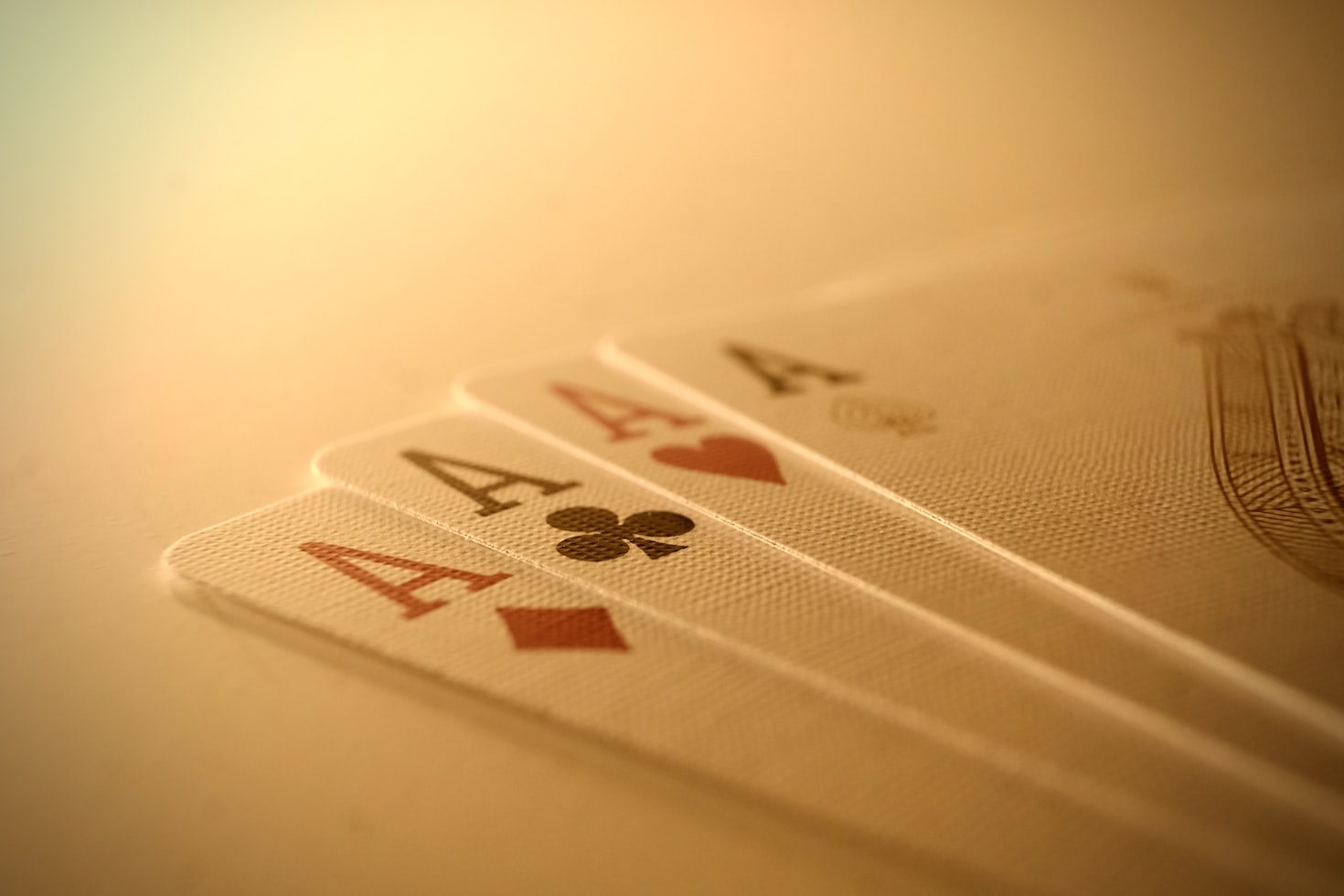
The primary reason players return to casinos is the feeling of hope and possibility. When a player places a bet or spins a slot machine, they experience the potential for instant gratification, which can be addictive. This sense of hope activates the brain’s reward system, releasing dopamine and creating a pleasurable experience that reinforces the desire to return.
The Role of Randomness and Surprise
Another significant psychological factor behind casino games is the element of randomness. Many games are based on chance, which keeps players engaged by introducing unpredictable outcomes. The random nature of games like slots and roulette can lead players to believe that they are just one win away from a big jackpot, fostering a psychological phenomenon known as the “near-miss effect.” This effect occurs when players come close to winning, triggering feelings of excitement and encouraging them to play again.
Moreover, the surprise factor inherent in gaming can create a sense of adventure. Players often feel that they could hit a rewarding combination at any moment, heightening their engagement and leading them to repeatedly seek out that thrill. The unpredictability assures that each gaming session holds the potential for a life-changing experience.
Social Interaction and Community
The social aspect of casino gaming is another crucial psychological draw. Many players enjoy the community feel that casinos offer; the chatter, laughter, and shared experiences with fellow gamblers create a sense of belonging. This communal atmosphere can enhance the enjoyment of the games themselves, encouraging players to return for both the gaming experience and the social interactions.
Additionally, social elements such as tournaments or group games provide opportunities for competition and camaraderie, contributing to a shared sense of achievement or frustration that extends beyond individual play. These interactions can effectively anchor players’ loyalty to a particular casino or game.
Marketing and Behavioral Cues
Casino operators utilize an arsenal of psychological tactics and marketing strategies to keep players returning. Loyalty programs, frequent promotions, and targeted advertising play a significant role in creating a habit of play. By rewarding frequent gamers with perks, casinos tap into the psychology of reinforcement, where positive experiences establish patterns of behavior that lead to repeated visits.
Furthermore, the strategic placement of games, along with the design of the gaming environment, encourages players to spend more time within the casino. Subtle cues, such as complimentary drinks and enticing visuals, are also employed to enhance the overall experience, making it difficult for players to resist the temptation of playing just one more game.
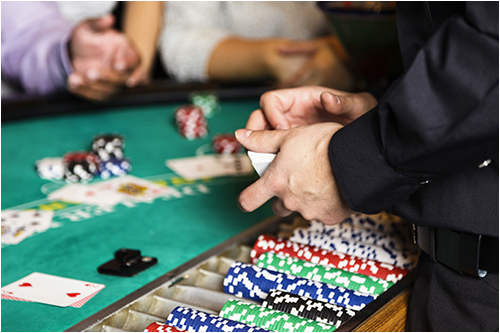
Understanding Casino Psychology through Our Resources
For those seeking to dive deeper into the psychological factors influencing gambling behavior, our website offers a wealth of information and resources. Understanding the psychology behind casino games can empower players to make more informed decisions about their gaming habits, ensuring that the fun remains within healthy boundaries.
While certain areas of the site may currently be off-limits due to access restrictions, we encourage users to explore the various sections available. Our goal is to enhance user engagement and provide valuable insights into the fascinating world of gambling psychology.
